Uneven Sidewalks Create Serious Trip Hazards
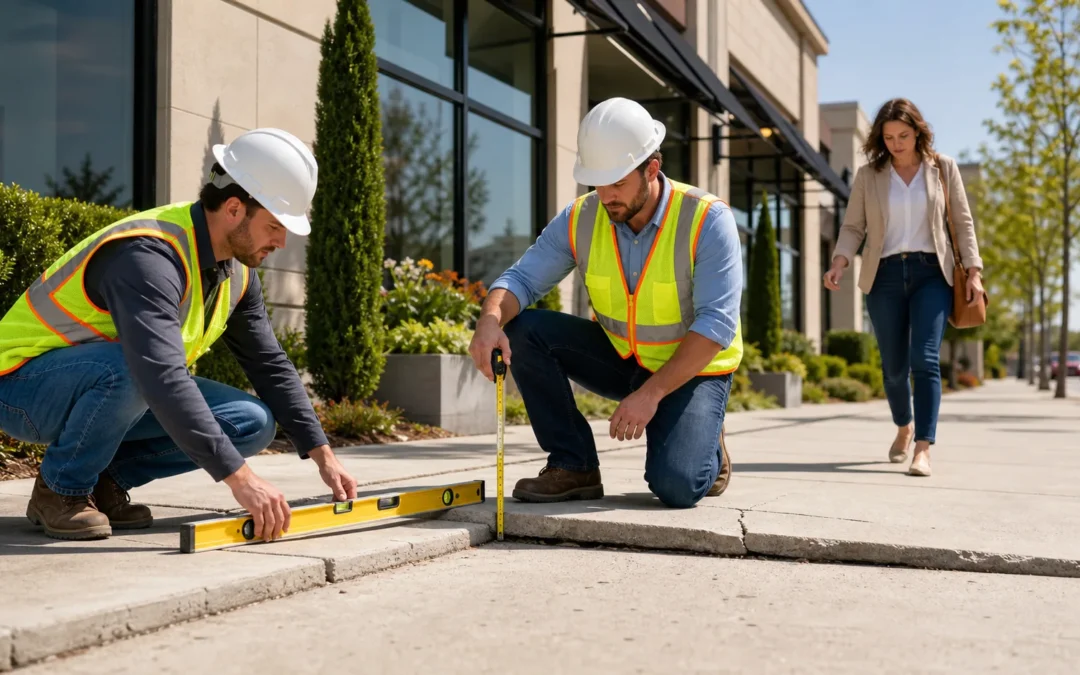
A sidewalk does not have to be badly broken to become a problem. A slightly raised edge, sunken slab, or tilted section can catch someone off guard and turn into a larger concrete issue if it is left alone. We want Texas property owners to understand what can happen when uneven sidewalks go unrepaired and when professional help makes sense.
Early warning signs are often easy to spot, including lifted slabs, cracks along the edges, gaps between concrete sections, pooling water, and noticeable changes in height. Since sidewalks are used by residents, visitors, customers, delivery drivers, and employees, a safe walking surface is an important part of caring for any property.
Even a small height difference between slabs can catch a shoe, stroller wheel, wheelchair, walker, or bicycle tire. Children may be running or distracted, while older adults and people with mobility limitations may have a harder time recovering their balance after a misstep. What looks like a minor rise in concrete can create a real fall risk.
Damaged sidewalks can also push people into less safe areas. When cracks widen, corners break away, or slabs separate, pedestrians may step into landscaping, driveways, or parking areas to avoid the hazard. That detour can create another unsafe situation, especially around moving vehicles.
Common signs that a walkway needs attention include:
- One slab sitting higher or lower than the next
- Cracked or broken concrete corners
- Open gaps between sidewalk sections
- Water collecting along the walkway
- A section that slopes or feels unstable underfoot
In many cases, sidewalk leveling can restore a smoother transition between concrete slabs without requiring full replacement. We evaluate the condition of the concrete and the support beneath it to help determine whether lifting is a practical option.
Delayed Sidewalk Leveling Raises Liability Concerns
When a sidewalk hazard is visible and someone gets hurt, the property owner may face difficult questions about whether the issue was known and whether reasonable action was taken. This concern can affect homeowners, landlords, commercial property owners, HOAs, and property managers.
An unrepaired problem may also be harder to explain after an incident. Photos, tenant complaints, maintenance requests, emails, and visible damage can show that the uneven area had been present for a while. Even without a complaint, a clearly sunken or lifted slab can be hard to overlook.
We recommend treating sidewalk damage as a maintenance concern instead of waiting to see whether it gets worse. Document the area, keep records of reported concerns, and limit access if the walking surface presents an immediate danger. A professional assessment can help you understand the condition of the concrete and what repair approach fits the situation.
Addressing the hazard early helps protect the people who use the property every day. It also gives you more time to make an informed decision before a small defect becomes a larger safety issue.
Water and Soil Movement Worsen Concrete Damage
Uneven sidewalks often point to movement below the concrete. We commonly look for conditions such as soil settlement, erosion, poor drainage, expansive clay soils, or empty spaces beneath the slab. As the ground shifts or loses support, concrete can sink, tilt, crack, or separate from nearby sections.
Water is frequently part of the problem. It can enter cracks and gaps around settled concrete, wash away supporting soil, and make voids larger over time. Once a slab loses enough support, it may continue to drop or develop additional cracks. Standing water on the surface can also make the walkway slippery and direct moisture toward nearby concrete or structures.
A sidewalk that repeatedly collects water deserves attention, even if the concrete does not look severely damaged yet. The water may be showing where the slope has changed or where soil beneath the slab is washing away. Correcting the source of the movement can be just as important as correcting the visible trip hazard.
Depending on the property conditions, we may recommend looking at more than the concrete surface. Long-term stability can involve:
- Sidewalk leveling for settled slabs
- Void filling beneath unsupported concrete
- Drainage correction to manage water flow
- Concrete replacement when a slab is too damaged to lift
By addressing both the slab movement and the reason behind it, you can reduce the chance that nearby flatwork will shift in the same way.
Early Repairs Can Limit Bigger Concrete Problems
Concrete rarely corrects itself after it begins to settle. In fact, a slab that is slightly low today may continue moving as water, soil conditions, and traffic affect the area around it. Waiting can allow small cracks to spread, edges to break, and gaps between slabs to become more noticeable.
Sidewalk leveling can often be considered before a settled section reaches the point where replacement is the only practical choice. Lifting a sunken slab may help preserve the concrete that connects to it, including entry paths, patios, driveways, walkways, and parking surfaces. Correcting one unstable section can also help reduce uneven transitions around the surrounding flatwork.
Not every sidewalk issue has the same cause or solution. A slab with a large crack, severe deterioration, or major structural damage may need a different approach than a slab that is still in good condition but has settled because of a void below it. That is why we start by looking at the concrete, the soil support, and water movement around the area.
A professional evaluation helps separate surface symptoms from the underlying problem. The right repair may involve sidewalk leveling, void filling, drainage work, concrete replacement, or a combination of services based on what the property needs.
Restore Safer Walkways with a Professional Evaluation
Uneven sidewalks can become more hazardous and more difficult to repair when they are ignored. Raised edges create trip risks, water can keep weakening the soil below, and shifting concrete can affect connected walking and driving surfaces.
The practical takeaway is simple: pay attention to changes in your sidewalks and address them before the damage spreads. A level, well-supported walkway is easier to use, safer for visitors, and better prepared to handle normal daily traffic.
Restore a Safer, More Even Walkway
Lift-Texas Construction provides professional sidewalk leveling to help correct settled concrete without the disruption of full replacement. Our team evaluates the cause of uneven sections and recommends a practical solution for your property. Ready to discuss your walkway concerns? Contact us to get started.